
Introduction: Why Mass Tort Marketing Matters for Growing PI Firms
If your firm handles personal injury cases and you’re looking to scale, mass tort marketing deserves serious attention. A mass tort involves many plaintiffs who suffered similar injuries from the same product, pharmaceutical, medical device, or toxic exposure. Think Roundup cancer claims, the Zantac lawsuit attorney search boom, Camp Lejeune water contamination, and talcum powder litigation. Unlike a single car accident or slip-and-fall, mass tort litigation targets thousands of claimants harmed by a common cause-and only 10-20% of eligible plaintiffs file mass tort claims, leaving an enormous pool of potential clients who don’t yet know they qualify.
This article is written for U.S. personal injury attorneys who want to build or scale a mass tort practice. The upside is significant: high case volume, economies of scale, and potentially substantial recoveries. But the risks are equally real-rising ad spend, fierce competition, and strict compliance requirements. Successful mass tort marketing combines education, precise targeting, efficient intake, and compliance with advertising rules. Modern mass tort marketing relies on integrated strategies spanning TV, OTT, search, social, bilingual outreach, and professional intake. Our goal here is to show you how to build a sustainable, ROI-focused client acquisition strategy-not just a one-off mass tort ad blitz.

Mass Tort Marketing vs. General PI Marketing
Mass tort marketing targets clients with similar legal issues caused by one product or event, while general legal marketing seeks a broad range of clients across many practice areas. That distinction changes everything about your approach.
- Messaging specificity: Mass tort marketing uses specific product names in messaging-Roundup, Ozempic, Paraquat, specific medical devices-and links them to defined injuries like non-Hodgkin lymphoma or kidney cancer. General PI ads use broader hooks like “injured in an accident?”
- Volume and timeline: Mass torts require large numbers of plaintiffs to be effective and thus require high-volume lead generation. Case cycles run 18-36+ months, compared to faster resolution on most personal injury cases.
- Education burden: Mass tort marketing requires educating potential clients about claims. Many potential mass tort clients have no idea their illness is connected to a product they used. In contrast, someone in a car wreck already knows they need a lawyer.
Real-world example: A zantac lawsuit attorney campaign must ask about medication use history, specific diagnoses, and timing. A “car accident lawyer” ad simply asks if someone was injured recently. That difference in complexity is what makes marketing mass torts a specialized discipline.
Defining Your Ideal Mass Tort Client and Case Selection
Before spending a dollar on any marketing plan or budget, you need clarity on which torts to pursue and who your ideal claimant is. This decision should come before any creative work begins.
Choose torts by monitoring FDA safety alerts, MDL filings, bellwether verdict trends, and referral networks. Co-counsel partnerships and referral networks can lower acquisition costs while expanding reach into torts you don’t handle directly.
Profile your ideal claimant by considering:
- Demographics: Age, gender, geography, language preference (English or Spanish)
- Exposure criteria: Product use dates, location, frequency, diagnosis type
- Accessibility: How they consume media, their comfort with digital tools, cultural context
Camp Lejeune clients, for example, tend to be older veterans and family members-decades removed from exposure-while hair relaxer claimants are often younger women best reached through social media platforms. Effective mass tort campaigns require precise audience targeting, and these profiles directly shape your channel selection and creative. Since only 10-20% of eligible plaintiffs file mass tort claims, your mass tort marketing strategy must bridge a massive awareness gap.
Compliance, Ethics, and Safe Lead Generation
Compliance with advertising regulations is crucial for protecting the firm’s reputation-and it’s non-negotiable for sustainable growth. Mass tort advertising is subject to jurisdiction-specific attorney advertising rules, and many states have strict rules on purchasing leads.
Key principles every mass tort firm must follow:
- No guarantees or misleading statements. Use language like “may be entitled to compensation” rather than promising potential clients specific outcomes. Misleading tactics can lead to scrutiny from bar associations.
- Ethical lead generation avoids promising financial rewards to prospective claimants as an inducement to sign.
- Disclaimers are required. Check ABA Model Rules 7.1–7.3 and your state bar’s specific advertising rules.
- Vet your vendors. Review sample scripts, ad creatives, disclaimers, intake procedures, and data handling policies (HIPAA, TCPA, CCPA). Law firms must ensure compliance with applicable regulations at every touchpoint.
Setting Clear Goals and KPIs for Your Mass Tort Campaign
Running a mass tort marketing campaign without defined numbers leads to blown budgets and no accountability. Before launch, establish measurable KPIs:
- Cost per lead (CPL): Qualified leads typically run $80–$300+ on Meta and $150–$600+ on Google search, depending on the tort and competition
- Cost per signed retainer (CPSR): The 2026 median across multiple torts is approximately $3,850, with ranges from $2,500 for hair relaxer cases to $12,000+ for Camp Lejeune
- Lead-to-client conversion rate: Well-run exclusive lead campaigns convert at 14–22%; shared or aged mass tort leads convert at just 3–6%
Work backward from case value. If average net recovery per case is $50,000 and your CPSR is $5,000, you know how many signed retainers you need to be profitable. Budget your law firm marketing accordingly and track by channel and vendor so you can reallocate spend to the highest-ROI sources rather than relying on vanity metrics like raw impressions.
Choosing the Right Media Mix: Digital, Traditional, and Hybrid
Effective mass tort marketing requires a multi-channel approach balancing digital and traditional media. Effective mass tort campaigns often use both digital and traditional media because no single channel captures every qualified claimant. Your target audience’s demographics, the tort’s geography, and case maturity should drive the mix.
A multi-channel law firm marketing strategy allows consistent presence: TV or OTT builds awareness, search and social capture intent, and remarketing nurtures prospects who aren’t ready to sign immediately.
Digital Marketing Strategies for Mass Torts
Digital marketing now accounts for 70% of mass tort ad budgets, and for good reason. High-volume digital advertising through social media and search engines is effective in mass tort marketing because it enables precise targeting and real-time optimization.
- PPC / Search: Google Ads effectively target individuals searching for mass tort information with queries like “Roundup lawsuit lawyer” or “Camp Lejeune claim.” Google search ads and Bing search ads let you bid on specific keywords tied to products, injuries, and legal intent. AI-driven PPC strategies can further optimize bidding and ad placement.
- Social media advertising: Meta (Facebook and Instagram ads), YouTube, and TikTok enable demographic and interest-based targeting. Social media marketing is especially effective for reaching younger claimant populations.
- OTT/CTV: Streaming ads on platforms like Hulu, Roku, and YouTube TV deliver video reach with better targeting than traditional TV-ideal for digital marketing campaigns aimed at cord-cutters.
- Tracking: Use UTM tags, call tracking numbers, and form tracking to know which digital marketing strategies actually produce signed retainers, not just clicks.
Traditional Marketing for Mass Tort Client Acquisition
TV, radio, and outdoor advertising remain powerful for older or less digital-savvy audiences. Law firms spend about $900 million annually on TV advertising, and mass media still commands attention.
- TV commercials on news and daytime programming reach broad audience segments. Creating a high-converting personal injury lawyer commercial requires compelling creative that names the product and injury clearly.
- Radio advertising on terrestrial and streaming services (Pandora, Spotify) reaches commuting and workday audiences. One case study found that radio contributed 18% of signed cases despite last-click attribution showing 0%-doubling radio spend alongside PPC lifted sign-ups by 37%.
- Outdoor (billboards, transit ads) works well in regions tied to specific exposure events-near military bases, industrial sites, or contaminated water areas.
- Programmatic advertising bridges digital and traditional by automating media buys across channels.

Content Marketing and SEO for Long-Term Mass Tort Visibility
Search engine optimization and content marketing provide compounding value that paid ads alone cannot deliver. Educational content such as blog posts and webinars helps potential plaintiffs understand their rights-and positions your firm as a trusted authority over months and years.
- Build dedicated practice pages per tort: “Paraquat Parkinson’s Lawsuit Guide – 2026,” “PFAS Kidney Cancer: Do I Qualify?”
- Write blog posts covering eligibility checklists, exposure timelines, settlement updates, and FAQs in both English and Spanish
- Target product/injury-specific long-tail keywords (“glyphosate exposure cancer lawsuit”) and use schema markup for FAQ sections
- Use educational content in email nurture sequences and remarketing to move prospects from “curious” to “ready to sign”
Content marketing is one of the most cost effective ways to generate leads over time because well-optimized pages continue attracting potential leads without ongoing ad spend.
Messaging That Educates, Empathizes, and Converts
Messaging is the heart of every mass tort ad, landing page, and call script. Mass tort marketing requires targeted messaging for specific injuries-never assume potential mass tort clients already understand the connection between their illness and a product.
- Clearly name the product or event (Roundup, Camp Lejeune, Ozempic) and link it to specific injuries
- Explain “who may qualify” in plain language, not legal jargon
- Emphasize no upfront fees, contingency arrangements, and that contact is free and confidential
- Building credibility through client testimonials and prior case experiences is essential in mass tort marketing, especially in underserved communities
Mass tort marketing requires precise messaging about specific products to generate interest and educate potential clients.
Crafting High-Impact, Compliant Mass Tort Ads
Every mass tort ad campaign needs compelling creative that balances urgency with compliance.
- Use a strong hook: bold but honest headlines framed compliantly (“Were you diagnosed with cancer after using Roundup?”)
- Add geo-specific copy when relevant-referencing military bases for Camp Lejeune or specific industrial sites
- Write in everyday language about symptoms, not medical terminology; focus on what people actually search for
- Always include required disclaimers and jurisdiction-specific statements per ABA Model Rules 7.1–7.5 and your state bar-never use misleading tactics
Designing Conversion-Focused Landing Pages and Funnels
Every mass tort ad should drive to a focused landing page, not a generic homepage. This is where you turn attention into action.
- Headline: Clearly name the tort and injury (“Camp Lejeune Water Exposure Lawsuit: Do You Qualify?”)
- Content: Short explainer, “Do I qualify?” checklist, simple form or phone CTA
- Design: Mobile-first, fast load speeds (under 3 seconds), bilingual options (English/Spanish toggle)
- Trust elements: Bar badges, short attorney video, privacy assurance, brief timeline of what happens after submitting
- Optimization: A/B test headlines, CTAs (“See if You Qualify” vs. “Free Case Review”), and form length to improve conversion rates
Use online tools for form tracking and heatmaps to understand where visitors drop off, then iterate.
Intake Systems and Lead Nurture: Turning Leads into Signed Retainers
The intake process is often the bottleneck in mass tort campaigns. Even the best marketing efforts fail if nobody answers the phone. Lead response time is one of the strongest predictors of conversion.
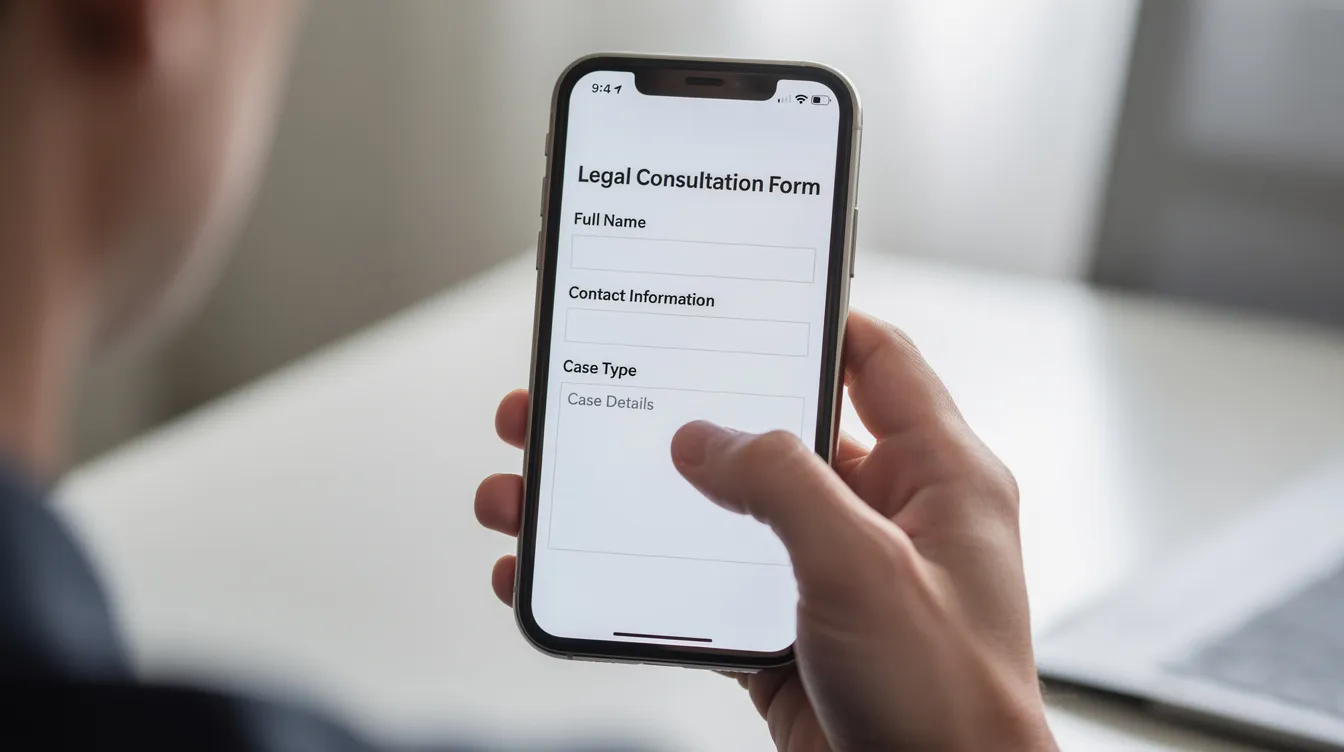
- Ensure 24/7 coverage via call centers, chat, and web forms-most potential clients won’t call back if you miss them
- Use standardized but empathetic scripts that quickly identify eligibility (diagnosis, exposure dates, medical records) while acknowledging fear or confusion
- Follow up with fast callbacks, SMS/email reminders, and e-sign retainer workflows
- Employ bilingual intake staff for Spanish-speaking claimants
- AI client intake systems can help prioritize and route leads efficiently
Effective mass tort marketing involves strict screening to find individuals with verifiable injuries. Mass tort marketing helps law firms to identify qualified claimants and manage large numbers of cases efficiently.
Serving Spanish-Speaking and Underserved Communities
Reaching Spanish-speaking and underserved communities requires more than literal translation of English mass tort ads. You need culturally relevant creative-imagery, tone, idioms, and messengers that resonate. Bilingual lead generation strategies should include:
- Spanish landing pages, phone lines, and intake staff
- Spanish-language search engine and social media content
- Community media outreach (Spanish radio, TV, faith-based channels)
- Sensitivity to barriers like distrust of legal systems or concerns about immigration status
Inclusive marketing expands a firm’s reach and supports justice for communities often overlooked in mass tort litigation.
Data, Analytics, and Ongoing Campaign Optimization
Data discipline distinguishes profitable mass tort firms from those that simply “buy cases” and hope for the best. Mass tort marketing focuses on finding individuals with specific injuries rather than treating plaintiffs as one group-and your analytics should reflect that precision.
Key metrics to monitor regularly:
- Impressions, click-through rate, CPL, CPSR, and lead quality score
- Time-to-contact and fall-off rate over 30 days
- Conversion by tort, state, language, and media channel
Review channel performance weekly. Pause underperforming ads and audiences. Use dashboards to separate results by tort and language segment. Importantly, last-click attribution is insufficient for mass tort campaigns-use 30-90 day attribution windows to account for the longer decision cycle.
Common Pitfalls in Mass Tort Marketing (and How to Avoid Them)
Even experienced personal injury firms make costly mistakes when entering mass torts. Here are the most common:
- Chasing every new tort without evaluating case value, intake capacity, or legal reform risk
- Underfunding campaigns-below $10,000/month per tort, you lack enough data to optimize
- Ignoring intake capacity-slow follow-up or complex forms inflate your cost per signed retainer dramatically
- Partnering with non-compliant lead sellers who use misleading tactics or cannot verify data
- No Spanish-language support, which excludes large segments of eligible claimants
- Overconcentrating on one channel, leading to auction creep and creative fatigue
- Tracking vanity metrics (clicks, impressions) instead of acquisition costs and signed retainers
These issues drain resources from profitable parts of your practice. Quick fixes: audit your intake speed, simplify qualification forms, diversify channels, and work with experienced partners who can shorten the learning curve.
Building a Sustainable, Repeatable Mass Tort Marketing Engine
A sustainable mass tort practice isn’t built on a single campaign-it’s built on a repeatable system. Every component covered here-case selection, compliance, creative messaging, media mix, conversion funnels, intake, bilingual outreach, and analytics-feeds the next. Treat each mass tort marketing campaign as part of a long-term acquisition program that teaches you what works and compounds over time.
Start by testing a single tort with a defined budget and clear KPIs. Once you find a profitable formula, expand to multiple staggered mass tort campaigns each year. The firms that scale successfully are the ones that invest in systems, not just ad spend. Whether you want to acquire clients through new mass tort clients channels or generate mass tort leads across multiple practice areas, the process remains the same: educate, qualify, convert, measure, repeat.
The question is whether you want to build every component in-house-media buying, intake, compliance, bilingual outreach-or partner with a legal marketing company that already has the infrastructure. Partnering with a reputable legal marketing company that provides compliant, bilingual, high-quality lead generation for lawyers across mass tort and PI can help your firm scale efficiently. Contact a trusted legal marketing partner today for a consultation on mass tort lead generation tailored to your firm’s goals.